Spend Money the Smart Way
- Sharanya Shenoy

- Sep 25, 2020
- 4 min read
In today’s world, we never know when what crisis hits us. Around 122 million people across all sectors in India lost their jobs during the COVID Pandemic. With the economy hit hard and struggling to revive, having a ‘Plan B’ is very essential.
Living in this modern world has become quite unpredictable, hence it is essential for everyone of us to at least have some sort of financial plan that helps you throughout your life. I am well aware that what is put into this article is already known to many. Perhaps by the end of this article, you may see things in a slightly different perspective.
The Dalai Lama said “When you talk, you are only repeating what you already know. But if you listen, you may learn something new.”
Everyone knows that money management is all about controlling your income, expenses, and investments to achieve your desired goals in life.
Gone are the days when people slogged all their life, keeping aside their wishes and dreams so that they retire with enough to lead a cozy life.
Today’s Millennials prefer to lead a luxurious life, with no compromise on fulfilling their dreams. With loans, EMIs Credit Cards, etc easily available to anyone at the click of a button (yes loads of money at disposal), this generation prioritizes immediate comfort rather than saving for the future.


Honestly speaking, lack of saving mentality is due to lack of exposure and education on financial management from an early age. While schools aim to groom students to become well-educated smart citizens, they are barely focusing on educating the students on the basics of managing their money. Parents, on the other hand, prefer to pamper their children rather than teaching them about money habits at an early age. These days it has even become a norm for parents to support working children thereby making them less financially independent.
Financial goals can be categorized as short-term, medium-term, or long-term. While it's important to keep a track of your goals, at the same time it is important to achieve them at the right interval.
End of the day it is all about the big 3 :
Paying off credit card debt/Loans.
Building your emergency fund.
Saving for retirement.

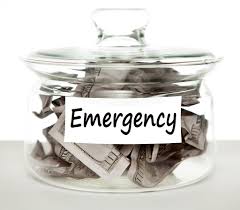


As you grow older, priorities change. Hence financial planning must be done accordingly.
Imagine being freshly out of college, landing a great job with a huge paycheck. Having that financial freedom does attract you to many luxuries. But not able to fulfill them does get you into the trap of credit cards which offer amazing deals. Now, what happens when you are not able to pay the credit balance off? To clear off the monthly dues you tend to take a loan and then get trapped in the cycle of paying it out!

Just like Mark Cuban says “Learn how to ignore the attraction of some unnecessary luxury and instead build savings you can fall back on. “
He also Quotes "the cheaper you can live, the greater your options."
Which is indeed logical. When you are in your 20’s your commitments are low. Its easier to build an emergency fund to handle your expense for at least 6 months. Moreover, it can be a great opportunity to start looking into an investment that is of high returns. You will definitively thank yourself in the future.

When you hit the big 30, you begin to realize that life is not as smooth as it seems to be. From office politics to unexpected movement, life cant be undermined for throwing unexpected curve-balls. During this decade, your financial goals are likely to get a bit more complicated as you have to deal with more responsibilities and less flexibility with your money.Major life events such as purchasing a home, getting married need you to focus on financial security. You tend to spend more on household expenses, medical, and even education. Hence you must invest in securing life insurance now that will help them in the future.

As you hit the 40s and 50s you enter the ‘sandwich generation’ - the responsibility of taking care of children as well as aging parents. At this stage, you must have a solid savings and retirement fund accumulated. These are typically the high yield years where you earn your peak and live a comfortable life. This makes it the right time to invest smartly. Learn new skills, start a side business, or perhaps even invest in your startup! End of the day it all boils down to how to lead a comfortable life post-retirement.
I am not saying everyone will retire at 60! If everything is done right you can even retire now! End of the day it is all about adaptability throughout your life. Dave Ramsey says, “You will either manage money or the lack of it will always manage you.”. Life is of course very unpredictable, the ad can throw you off track. But with the right kind of planning, such minor hitches won't stress you out. Financial flexibility goes hand in hand with good health.
No wonder they coined the term ‘Health is wealth’ :D

- Sharanya Shenoy
References :
https://www.forbes.com/sites/learnvest/2014/07/08/3-big-money-to-dos-for-your-20s-30s-40s-and-50s/#30249ef0388d
Image Courtesy :


Comments